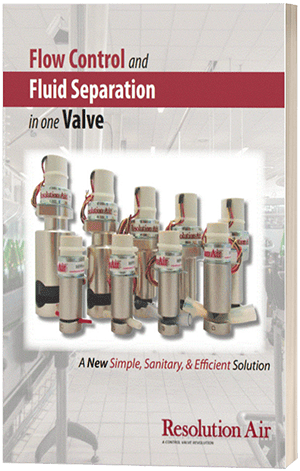
Comparing Proportional Pinch Valve Configurations
M Series and H Series proportional pinch valves are designed to support different types of fluid control applications. While both provide continuous, precise control of fluid flow and maintain a fully isolated fluid path, they differ in size, force capability, and operating range.
Understanding these differences is essential when selecting the appropriate valve for your system.
M Series vs H Series Comparison
Feature |
M Series |
H Series |
|---|---|---|
| Primary Use | Low-flow, high-precision applications | Higher flow, larger tubing, higher force applications |
| Size | Compact, miniature design | Larger form factor |
| Flow Range | Low-flow systems | Moderate to higher flow systems |
| Tubing Size | Smaller diameter tubing | Larger diameter tubing |
| Force Capability | Lower force | Higher pinch force |
| Precision | High-resolution control | Precise control across larger range |
| Typical Applications | Laboratory, analytical systems | Bioprocessing, industrial, higher flow systems |
When to Use M Series Miniature Valves
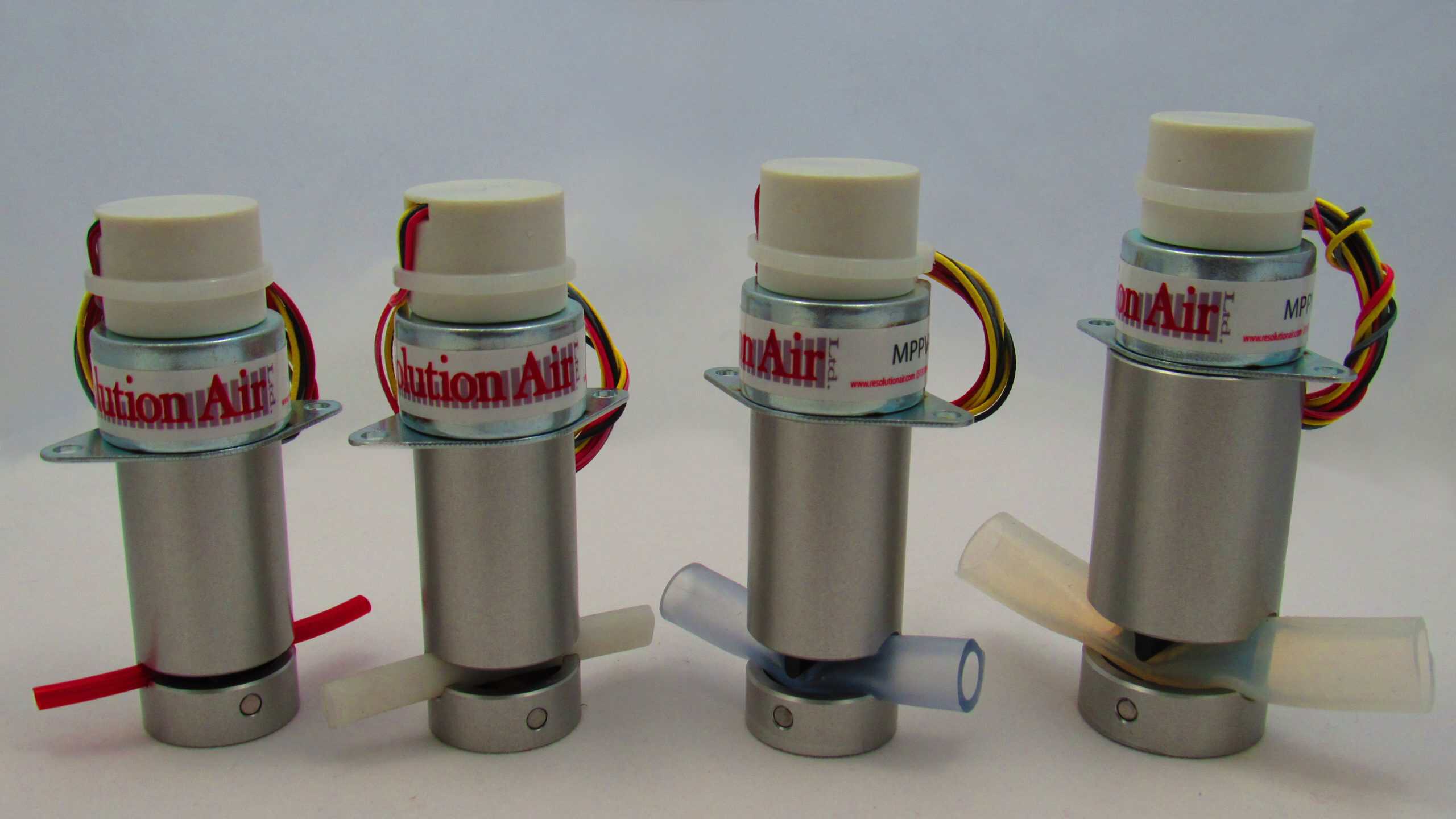
M Series valves are best suited for applications requiring fine control in compact systems. These valves provide high-resolution adjustment of flow and are typically used in low-flow environments.
- Low-flow fluid metering
- Systems requiring high precision and repeatability
- Space-constrained designs
- Laboratory applications
- Applications requiring fine control
When to Use H Series Hybrid Valves
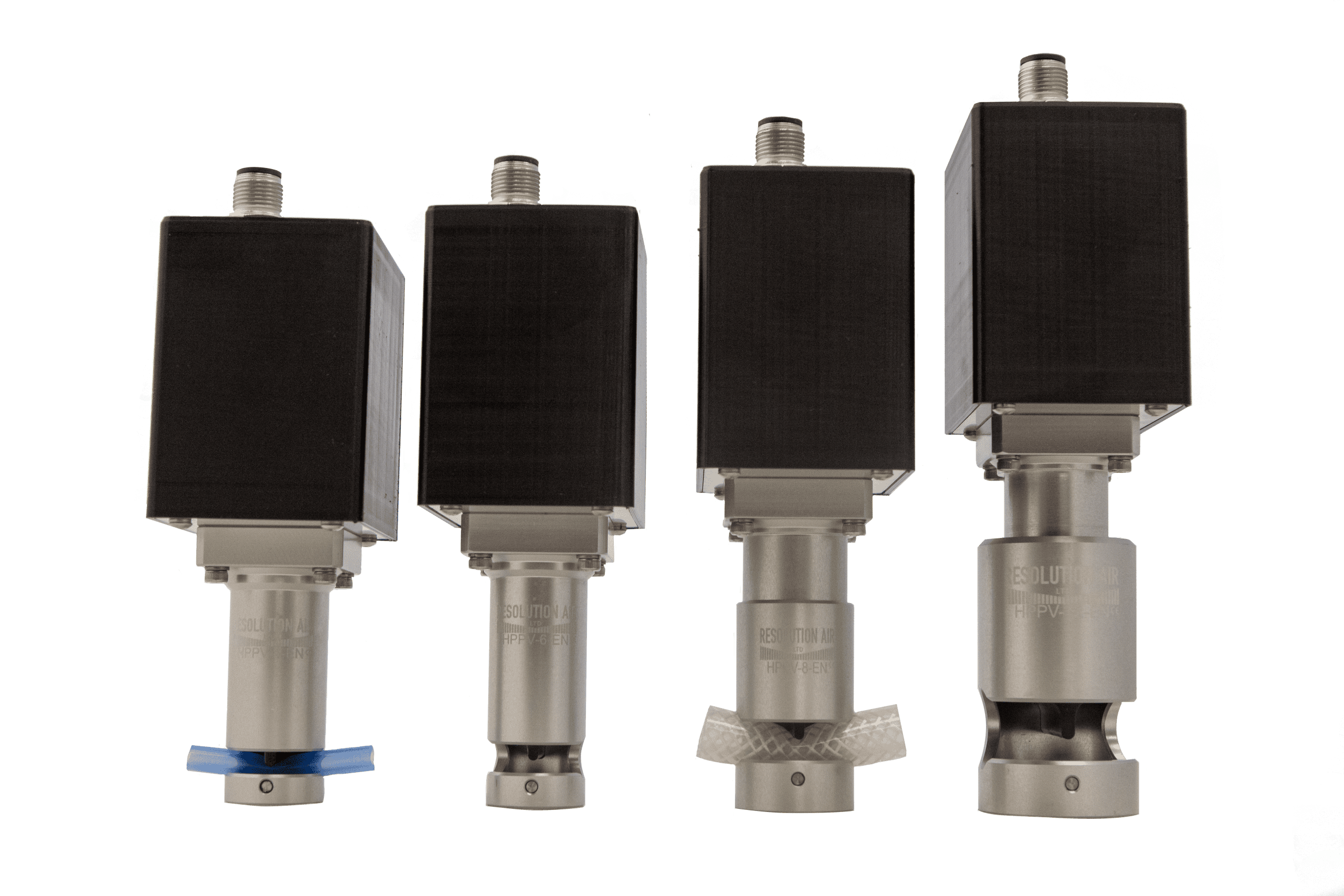
H Series valves are designed for applications requiring greater force and support for larger tubing sizes. These valves are used in systems where higher flow capacity and broader operating ranges are required.
- Higher flow rate applications
- Larger tubing systems
- Applications requiring greater pinch force
- Industrial or process systems
- Systems with more demanding operating conditions
Key Factors to Consider When Selecting a Valve
Selecting between M Series and H Series depends on your system requirements. The following factors are typically the most important:
- Flow rate requirements
- Tubing size and material
- Required level of control precision
- Force needed to regulate flow
- System integration and control method
Common Selection Scenarios
Scenario 1
If your application requires precise dosing in a compact system → M Series is typically the better fit.
Scenario 2
If your system requires higher flow or uses larger tubing → H Series is typically more appropriate.
Scenario 3
If you are unsure which valve meets your requirements → further evaluation or guidance is recommended.
Need Help Determining the Right Valve?
Selecting the correct valve depends on multiple application-specific variables. If you are evaluating options, guidance is available to help you determine the best configuration based on your system requirements.